
Why Chinese Picture Books Are Powerful Learning Tools
Key Takeaways:
How can Chinese picture books make Mandarin learning more fun for kids and adults?
- Chinese picture books use visuals to help learners associate meaning with words instantly.
- Storytelling simplifies grammar and sentence structure, making learning intuitive.
- Illustrated stories boost confidence and support independent reading.
- They enhance memory retention through context and emotion.
- Learners gain a deeper appreciation of culture and values through visual storytelling.
Introduction
Learning Mandarin can be both exciting and rewarding, especially when the process is engaging. From storytelling to interactive reading, fun approaches make language acquisition more effective for learners of all ages. One of the most powerful yet often underestimated tools for this purpose is Chinese picture books. They're no longer just for children, digital formats now combine visuals, sound, and interactivity to create a richer, more memorable learning experience.Whether you're a young learner or an adult beginner, visual storytelling can turn Mandarin learning into an enjoyable, immersive experience.
Why Are Chinese Picture Books Effective for All Learners?
1. They Boost Word Association
Images help learners instantly connect vocabulary with meaning. When words are paired with visuals, the brain processes them faster and retains them longer. This is why visual learning in language acquisition has proven so effective. Instead of memorising isolated characters, readers can relate them to actions, expressions, and familiar scenes, a more natural way to absorb new words.
To build this skill further, try incorporating Mandarin story books into your study routine. These titles combine short, engaging plots with illustrations that bring meaning to life, making new words easier to understand and apply.
2. They Simplify Complex Concepts
Even abstract ideas become clearer through stories and visuals. Chinese books for beginners use short, relatable narratives and simple illustrations to introduce sentence structure, grammar, and tone patterns in digestible ways. The use of contextual cues, such as pictures and dialogue, helps learners grasp meaning without constantly translating, developing intuitive understanding over time.
How Can Storytelling Help You Learn Chinese More Naturally?
1. Stories Aid Memory Retention
Pairing text with pictures makes it easier to recall what you've learned. Narratives activate emotional and sensory connections, allowing learners to remember characters and plotlines alongside new words. Reading Mandarin picture books for kids (and adults!) activates both logical and emotional processing, helping the brain store and retrieve new words more effectively.
2. They Introduce Cultural Elements
Beyond language mechanics, Chinese picture books are gateways to culture. They reveal daily customs, family values, festivals, and idioms unique to Chinese heritage. This makes them ideal for anyone interested in exploring Chinese culture for language learners. Understanding cultural context not only enhances vocabulary but also builds appreciation for the nuances of the language, a vital component for true fluency.
To explore more authentic stories, browse Chinese story books online that feature tales rooted in traditional culture and modern life. These digital titles often include interactive features that make learning even more engaging
What Makes Digital Picture Books Especially Powerful?
1. Enhanced Engagement and Motivation
Modern digital picture books are far more than static images and text. They feature lively visuals, animations, and sound effects that capture attention and sustain motivation, especially for younger learners with shorter attention spans. These interactive features make each reading session feel like an adventure rather than a lesson.
2. Multimodal Learning
By combining visual, auditory, and textual elements, digital picture books deliver a multimodal learning experience. This dual-channel approach allows information to be processed through both the eyes and ears, significantly improving comprehension and retention. It caters to different learning styles, visual learners benefit from illustrations, while auditory learners thrive through narration and sound cues.
3. Improved Pronunciation and Listening Skills
Many digital reading platforms now feature professional narration and native-speaker audio. Learners hear accurate tones, rhythm, and phrasing, crucial aspects of Mandarin that are difficult to master through text alone. Regular exposure to fluent speech builds familiarity with sentence flow and enhances listening comprehension.
4. Contextual Vocabulary Building
Instead of memorising vocabulary lists, learners encounter words naturally within stories. Context helps clarify meaning, while interactive functions like pop-up definitions and instant translations reinforce understanding. When paired with exercises, this method transforms passive reading into active learning.
5. Improved Pronunciation and Listening Skills
Digital resources can be accessed anytime, anywhere, on tablets, smartphones, or computers. For busy learners, this flexibility removes traditional barriers and encourages consistent exposure to Mandarin. Platforms that let users online read Chinese books for free offer even more accessibility, allowing learners to practise daily without extra cost.
How to Make Mandarin Learning Interactive and Enjoyable
1. Use Technology to Personalise Learning
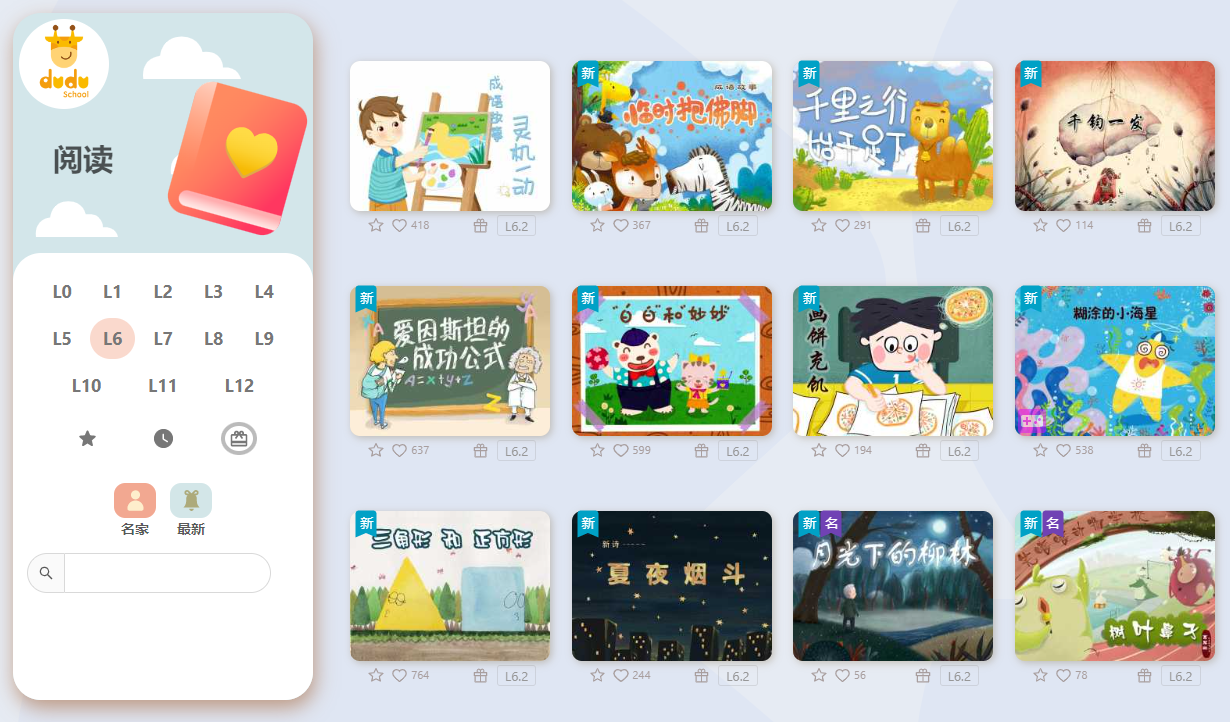
Digital picture books spark curiosity and build confidence, but structured learning platforms ensure consistent progress. Dudu Chinese, developed by CommonTown, combines over 1,000 interactive e-books with adaptive AI technology to personalise learning. Each learner begins with a placement test that matches them to the right reading level, followed by interactive activities and comprehension quizzes that reinforce key concepts.
2. Explore Stories Beyond the Classroom
To make practice more enjoyable, learners can explore online platforms that let them read Chinese books online for free, giving access to hundreds of stories suitable for every proficiency level. These are excellent for building confidence and exposure without cost barriers.
Adults and children alike can also find a wide range of Chinese language books online, many of which come with audio narration, quizzes, and translation tools. These interactive e-books reinforce pronunciation and comprehension, creating a balanced and effective study routine.
3. Blend Reading with Real-Life Context
Practice what you learn through real conversations, media, and daily scenarios. Adults can pair stories with music, movies, or apps to reinforce listening and speaking. Children can act out stories, draw scenes, or retell tales in Mandarin to strengthen verbal expression. The key is to connect reading with real-life situations, making learning both practical and memorable.
Conclusions
Learning Mandarin doesn't have to feel like a chore. With the right mix of storytelling, technology, and visual learning, learners of all ages can enjoy steady progress while developing genuine interest in the language. Chinese picture books make the journey more accessible, immersive, and culturally rich, whether you're a parent guiding your child or an adult learner exploring new horizons.
Looking for an engaging and effective way to start your Mandarin learning journey? Discover how CommonTown's Dudu Chinese app can make reading, comprehension, and vocabulary building fun for all ages.